
close
Choose Your Site
Global
Social Media

Views: 0 Author: Site Editor Publish Time: 2026-03-09 Origin: Site


Ever wondered how manufacturers ensure plastic quality? The Melt Flow Index Tester (MFI) reveals polymer flow properties crucial for production.This device measures how plastics melt and flow, impacting product strength and consistency. The semi-automatic Melt Flow Index Tester improves accuracy and efficiency in testing.In this post, you’ll learn what an MFI tester is, its role in plastic and rubber industries, and why maintenance matters for reliable results.
The Melt Flow Index Tester measures how easily a polymer melts and flows. It does this by heating a small sample of plastic until it melts inside a heated barrel. Then, a specific weight presses down on the molten plastic, forcing it through a tiny hole called a die. The tester measures how much material flows out in a set time, usually 10 minutes. This flow rate tells us about the polymer’s viscosity — how thick or thin it is when melted.
Sample Preparation: Cut or pelletize the plastic sample to ensure it fits well inside the barrel.
Heating: Place the sample in the barrel and heat it to the required temperature, which depends on the polymer type.
Applying Load: Add a standard weight on top of the piston that pushes the molten polymer through the die.
Flow Measurement: Collect the extruded polymer for a fixed time (usually 10 minutes).
Result Calculation: Weigh the extrudate and calculate the melt flow index in grams per 10 minutes.
This step-by-step method ensures consistent and repeatable results for quality control.
Both load and temperature play a critical role in melt flow testing:
Temperature: It must be precise because polymer viscosity changes dramatically with temperature. Too high or too low temperatures can give inaccurate flow rates.
Load: Different weights simulate different processing conditions. A heavier load pushes the polymer through the die faster, mimicking high-pressure manufacturing processes like injection molding.
Adjusting these parameters helps manufacturers simulate real-world processing conditions and better understand how the polymer will behave.
The MFI value helps manufacturers decide if a polymer batch meets quality standards. A high MFI means the polymer flows easily (low viscosity), suitable for processes requiring fast flow like injection molding. A low MFI indicates high viscosity, better for extrusion or applications needing stronger materials.
If the MFI varies too much between batches, it signals inconsistent material quality, which can lead to defects in final products. Using MFI results, manufacturers can adjust processing parameters or reject poor-quality batches early, saving time and cost.
Tip: Always maintain precise temperature control during MFI testing to ensure accurate and consistent polymer flow measurements critical for quality control.
Melt Flow Index (MFI) testers are essential in plastic and rubber manufacturing for assessing material flow characteristics. Manufacturers use MFI data to ensure raw polymers meet quality standards before production. It helps in selecting the right polymer grade, optimizing molding and extrusion processes, and maintaining consistent product performance. For example, polyethylene used in packaging films requires a specific MFI range for proper extrusion. Similarly, rubber compounds benefit from MFI testing to predict their flow behavior during vulcanization and molding.
The automotive industry relies heavily on polymers for parts like bumpers, dashboards, and seals. MFI testing ensures these materials have the correct flow properties to meet strength, flexibility, and durability requirements. A precise MFI value helps manufacturers optimize injection molding parameters, reducing defects and improving part consistency. For instance, polypropylene used in car interiors must have a stable MFI to ensure smooth molding and excellent surface finish.
Packaging materials such as films, containers, and trays depend on polymers with specific melt flow rates for efficient processing and end-use performance. MFI testing allows producers to verify that materials flow correctly during extrusion and molding, preventing issues like uneven thickness or weak spots. High MFI polymers suit fast extrusion processes, while lower MFI materials offer better mechanical strength for rigid packaging. Regular MFI checks help maintain quality in high-volume packaging production.
Medical devices demand polymers with stringent quality and performance standards. MFI testing verifies that these materials have consistent flow properties, crucial for molding precise, biocompatible components like syringes, tubing, and implants. Variations in MFI can affect dimensional accuracy and mechanical properties, potentially compromising patient safety. Manufacturers use MFI data to comply with regulatory requirements and ensure reliable production of medical-grade polymers.
In electronics, polymers are used for insulating components, connectors, and casings. MFI testing helps ensure these materials process well and meet electrical insulation standards. Consistent melt flow rates contribute to stable molding cycles and part reliability. Beyond these industries, sectors like construction, consumer goods, and textiles also use MFI testers to control polymer quality, optimize processing, and innovate new materials.
Tip: Regularly perform MFI testing on recycled polymers to monitor degradation and maintain product quality across various industries.
A semi-automatic Melt Flow Index Tester must offer precise temperature control. This is crucial because polymer viscosity changes sharply with temperature. Most testers provide heating ranges from ambient up to 400°C, covering a wide variety of thermoplastics. Accurate temperature regulation, often within ±0.1°C, ensures consistent melting and flow conditions. Some models include advanced microprocessor controls and digital displays for easy setting and monitoring. Stable temperature control helps avoid errors caused by overheating or underheating the sample.
Different polymers and testing standards require varying loads applied to the molten sample. Semi-automatic testers typically offer multiple load weights, such as 2.16 kg, 5 kg, 10 kg, or even higher, to simulate different processing pressures. This flexibility allows testing according to ASTM D1238 or ISO 1133 standards. Choosing the correct load is vital; too much or too little load can skew results, affecting quality control decisions. The semi-automatic design often simplifies load changes, improving testing efficiency.
Semi-automatic testers feature user-friendly interfaces, usually with digital or touchscreen controls. This design reduces operator errors and training time. The interface often guides users through testing and cleaning steps, enhancing repeatability. Some models include integrated cleaning devices, controlled via the interface, to streamline maintenance. Clear displays show temperature, time, and test progress, making it easy to monitor and record data. Intuitive operation is especially valuable in busy labs or production environments.
Compliance with international standards like ASTM D1238 and ISO 1133 is a must for reliable MFI testing. Semi-automatic testers are designed to meet these standards’ requirements for dimensions, temperature accuracy, load application, and timing. This ensures results are consistent and comparable across labs and industries. Using compliant equipment helps manufacturers meet regulatory demands and customer expectations. Certification or validation from recognized bodies adds credibility to test outcomes.
A robust build is essential for long-term performance in industrial or lab settings. Semi-automatic testers usually feature corrosion-resistant barrels and dies made from hardened steel or alloy. Powder-coated or stainless steel exteriors protect against wear and environmental damage. The piston and die must maintain tight tolerances over time to ensure accuracy. Durable components reduce downtime and maintenance costs. Investing in quality materials and construction extends the tester’s lifespan and maintains test reliability.
Tip: Choose a semi-automatic Melt Flow Index Tester with integrated cleaning features and precise temperature control to ensure consistent results and reduce maintenance time.
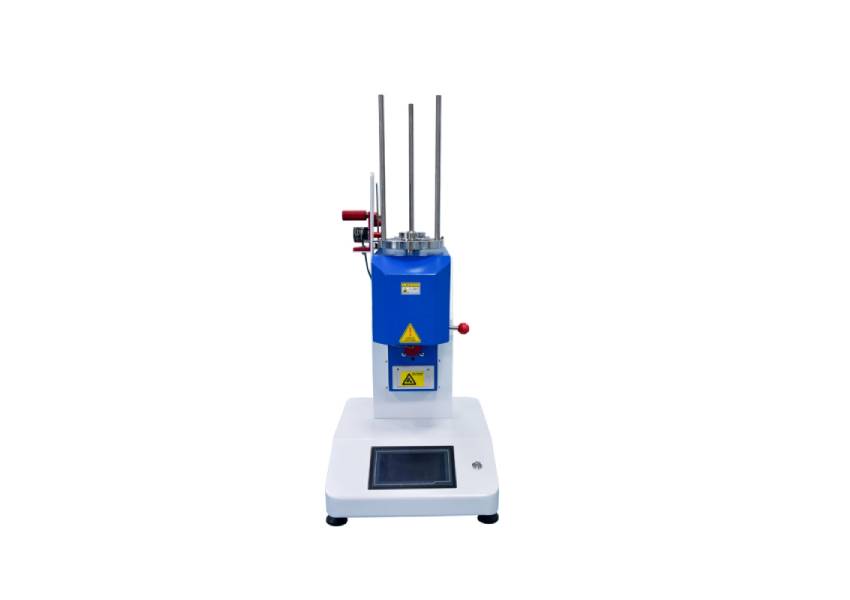
Cleaning your Melt Flow Index Tester right after every test is crucial. During testing, molten polymer flows through the barrel and die, often leaving behind residues. These leftovers can harden or degrade, causing friction or lubrication issues. If residue builds up, it can lower or raise the melt flow index inaccurately. Regular cleaning ensures the tester stays precise and reliable, preventing false readings and costly errors in quality control.
Routine checks keep your tester in top shape. Some key checks include:
Die Tolerance Check: Use a Go/No-Go gauge to confirm the die’s inner diameter matches standards.
Piston Tolerance Check: Verify the piston’s dimensions remain within tolerance.
Barrel Inspection: Check barrel condition, especially if testing abrasive or recycled materials.
Temperature Verification: Use an electronic thermometer to confirm the tester’s temperature matches the set value.
Frequency depends on usage intensity. Heavy use means more frequent inspections. Establish a maintenance schedule to avoid surprises and downtime.
Use cleaning tools designed for your specific tester. Abrasive brushes or harsh chemicals can damage pistons or barrels, shortening equipment life. Many semi-automatic testers include integrated cleaning devices. These devices use the right size and type of tools, reducing risk of damage and speeding up cleaning. Always perform a visual inspection after cleaning to ensure no residue remains.
Accurate temperature control is vital. Polymers’ flow properties change drastically with temperature shifts. Regularly calibrate your tester’s heating system using certified thermometers. Monitor temperature stability during tests to avoid errors. If your tester has digital controls, use their calibration features often. This practice helps maintain test accuracy and repeatability.
Semi-automatic testers with built-in cleaning features simplify maintenance. They guide you through cleaning steps via a touchscreen interface, reducing human error. These devices often clean the piston, barrel, and die automatically or semi-automatically, cutting cleaning time and improving consistency. This technology minimizes downtime and helps maintain reliable testing conditions.
Different polymers behave uniquely during testing. Recycled plastics often contain contaminants or degraded material, which can stick inside the tester more easily. For these materials:
Clean thoroughly after each test to prevent buildup.
Use reference materials to monitor machine consistency.
Adjust cleaning frequency based on material abrasiveness.
Avoid cross-contamination by cleaning when switching materials.
Following these tips helps maintain accuracy and extends equipment life even when testing challenging materials.
Tip: Establish a routine cleaning and maintenance schedule tailored to your material types and tester usage to ensure consistent, accurate MFI results and prolong equipment life.
Setting the wrong temperature during MFI testing is a common and critical mistake. Polymer viscosity is highly sensitive to temperature changes. If the temperature is too low, the polymer may not melt properly, causing a lower flow rate and underestimating the melt flow index. Conversely, too high a temperature can degrade the polymer or create excessive flow, resulting in inaccurate, inflated MFI values. Always use the recommended temperature for the specific polymer type and verify the tester’s temperature calibration regularly to avoid these errors.
Sample preparation greatly affects test accuracy. Using samples with inconsistent size, moisture, or contamination will skew results. For example, wet or damp samples introduce steam during testing, affecting flow behavior. Likewise, samples that are too large or unevenly cut can cause incomplete melting or blockages in the barrel. Always dry samples according to standards, cut them uniformly, and handle them carefully to avoid contamination. Consistent preparation ensures repeatable and reliable MFI results.
Applying the wrong load or timing the test inaccurately can distort MFI readings. Different polymers require specific weights, such as 2.16 kg or 10 kg, to simulate actual processing conditions. Using an incorrect load can either overestimate or underestimate flow rates. Similarly, timing the extrusion for less or more than the standard 10 minutes leads to inconsistent results. Use calibrated weights and precise timing devices to maintain test integrity.
Skipping regular maintenance is a major cause of inaccurate MFI testing. Residue buildup in the barrel, piston, or die affects the polymer flow, causing friction or lubrication changes. This leads to false readings and reduces equipment lifespan. Failure to check die and piston tolerances or neglecting temperature calibration also degrade accuracy. Establish a routine maintenance schedule including cleaning, inspection, and calibration to ensure lasting precision.
Tip: Always verify temperature settings, sample preparation, load application, and maintenance routines to avoid common errors and achieve reliable melt flow index results.
When selecting a Melt Flow Index Tester, one of the first decisions is choosing between manual and semi-automatic models. Manual testers require more hands-on operation. You must manually load the sample, apply weights, time the test, and clean the equipment. This can lead to variability due to human error, especially in timing and cleaning. Manual testers are often less expensive, making them suitable for labs with tight budgets or low testing volumes.
Semi-automatic testers automate many steps, such as load application, timing, and sometimes cleaning. This reduces operator intervention, improving consistency and repeatability. They often include digital controls and displays, making operation easier and reducing training time. Semi-automatic models are ideal for labs or production environments with higher testing demands or where accuracy is critical.
Choosing the right tester also depends on the materials you plan to test. Different polymers require specific temperature ranges and load capacities. For example, testing high-temperature polymers like PEEK demands a tester with heating capabilities up to 400°C. Some materials need precise load options to simulate processing conditions accurately.
Compliance with testing standards such as ASTM D1238 and ISO 1133 is essential. Ensure the tester meets these standards to guarantee reliable and comparable results.
Budget plays a crucial role. Manual testers are more affordable upfront but may incur higher labor costs and risk inconsistent results. Semi-automatic testers cost more initially but save time and improve accuracy, offering better long-term value.
Modern Melt Flow Index Testers often offer PC connectivity. This feature allows direct data transfer to computers for storage, analysis, and reporting. It simplifies record-keeping and helps maintain traceability, which is vital for quality control and regulatory compliance.
Data management software can also enable trend analysis, helping identify material inconsistencies or equipment issues early. When choosing a tester, consider if you need USB ports, Ethernet, or wireless options for data transfer.
Reliable supplier support is critical. Good suppliers offer installation assistance, training, and ongoing technical support. Calibration services ensure your tester remains accurate over time, which is vital for maintaining test validity.
Check if the supplier provides preventative maintenance programs and calibration certificates compliant with industry standards. Access to quick service and genuine spare parts minimizes downtime and extends equipment life.
Tip: Opt for a semi-automatic Melt Flow Index Tester with PC connectivity and strong supplier support to ensure accurate testing, efficient data management, and long-term reliability.
Maximizing Melt Flow Index Tester benefits ensures polymer quality and consistency in production. Proper maintenance extends equipment lifespan and maintains accuracy. Leveraging MFI data helps optimize processing and reduce defects. Partnering with trusted providers like Guangce Instrument offers reliable equipment and support. Their products feature precise temperature control and integrated cleaning, enhancing testing efficiency and durability. Choosing Guangce Instrument ensures long-term success and consistent, high-quality polymer testing results.
A: A Melt Flow Index Tester (MFI) measures the flow rate of melted polymers by heating a sample and applying a load to push it through a die, indicating polymer viscosity.
A: Regular cleaning after each test, checking temperature calibration, inspecting die and piston tolerances, and using integrated cleaning devices help maintain accuracy and prolong equipment life.
A: Precise temperature control ensures accurate polymer flow measurement since viscosity changes significantly with temperature fluctuations.
A: It offers improved consistency, easier operation, integrated cleaning, and compliance with ASTM and ISO standards, enhancing test reliability.
A: MFI values indicate polymer flow behavior, helping manufacturers ensure consistent material quality and optimize processing parameters.


